
 navigate_next About us navigate_next
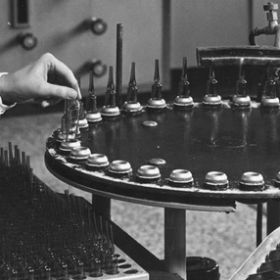
A small pharmaceutical plant located in Pavia, originally called as Laboratorio Farmaceutico Dott. Cipelli, was acquired by the multinational Merck Sharp & Dohme. Over the following decades, the site underwent significant development including the creation of an automated warehouse, 2 oral solids production units (Production 1 and 2) and various support areas.
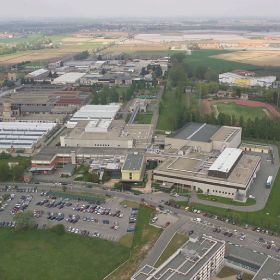
As part of a global process of reorganization of its production capacity, Merck Sharp & Dohme announced the decision to cease operations at the Pavia Site. At the time, the site was already widely recognized as an Italian excellence within the Italian pharmaceutical landscape.
The Savio Group decided to take over the production site in Pavia, thus ensuring the continuity of pharmaceutical manufacturing and safeguarding local employment. This marked the birth of Savio Industrial, established to manage the Savio Group’s production sites, specializing in the production of pharmaceuticals in Pavia and Medical Devices in Ronco Scrivia. At the same time, a strategic collaboration was established between Savio Industrial and Merck Sharp & Dohme, a partnership that would later continue with Organon.
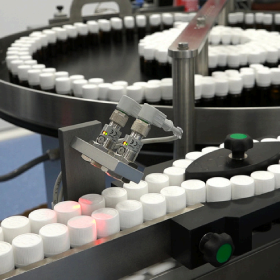
One year after the acquisition of the Pavia facility, Savio Industrial inaugurated a new department dedicated to the production of non-sterile oral liquids, while in the following 4 years the production workforce doubled.
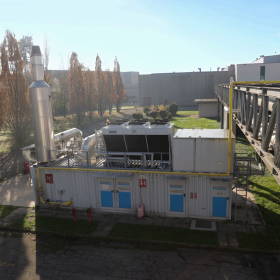
The construction of a cogeneration plant was completed, with an estimated saving of 10 million tons of CO2.
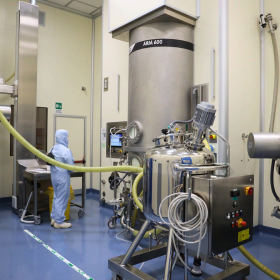
A new powder granulation and drying module (HSM2) was created, enhancing the production site capabilities. In the same period, the IBN Savio Research and Development laboratories were inaugurated at the Pavia plant. These facilities not only support the Group’s innovation projects, but also contribute directly to optimizing production processes, reinforcing the culture of continuous improvement.
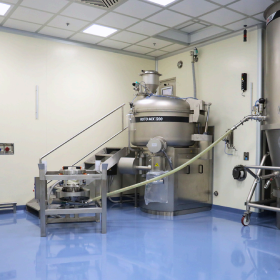
In the same year, the Pavia site surpassed the milestone of 1 billion tablets produced annually. At the same time, an agreement was signed with the multinational Organon, for the global production of a pharmaceutical specialty in the cardiometabolic area. To support this growth, an additional powder granulation and drying module (HSM3) was installed, doubling the production capacity compared to the previous unit. As a result, an approximately +130% increase in production volumes is expected by 2026 compared to 2020.